Hyrox Preparation Tips For Developing Better Overall Conditioning
Preparing for a demanding fitness competition requires a balanced approach to strength, endurance, speed, and mental resilience. A well-structured training routine helps athletes improve their overall conditioning while building the confidence needed to perform consistently. By combining functional exercises with cardiovascular workouts and effective recovery strategies, individuals can develop the physical abilities required to handle challenging workout sessions.
1. Build a Strong Cardiovascular Foundation
Cardiovascular endurance supports sustained performance during repeated periods of physical effort. Developing this foundation allows athletes to maintain a steady pace and recover more efficiently between exercises.
- Include regular running sessions to improve aerobic capacity.
- Practice interval training to develop speed and stamina.
- Gradually increase running distance as fitness improves.
- Maintain a consistent pace during longer endurance workouts.
- Add low-impact cardio sessions to support active recovery.
2. Improve Functional Strength
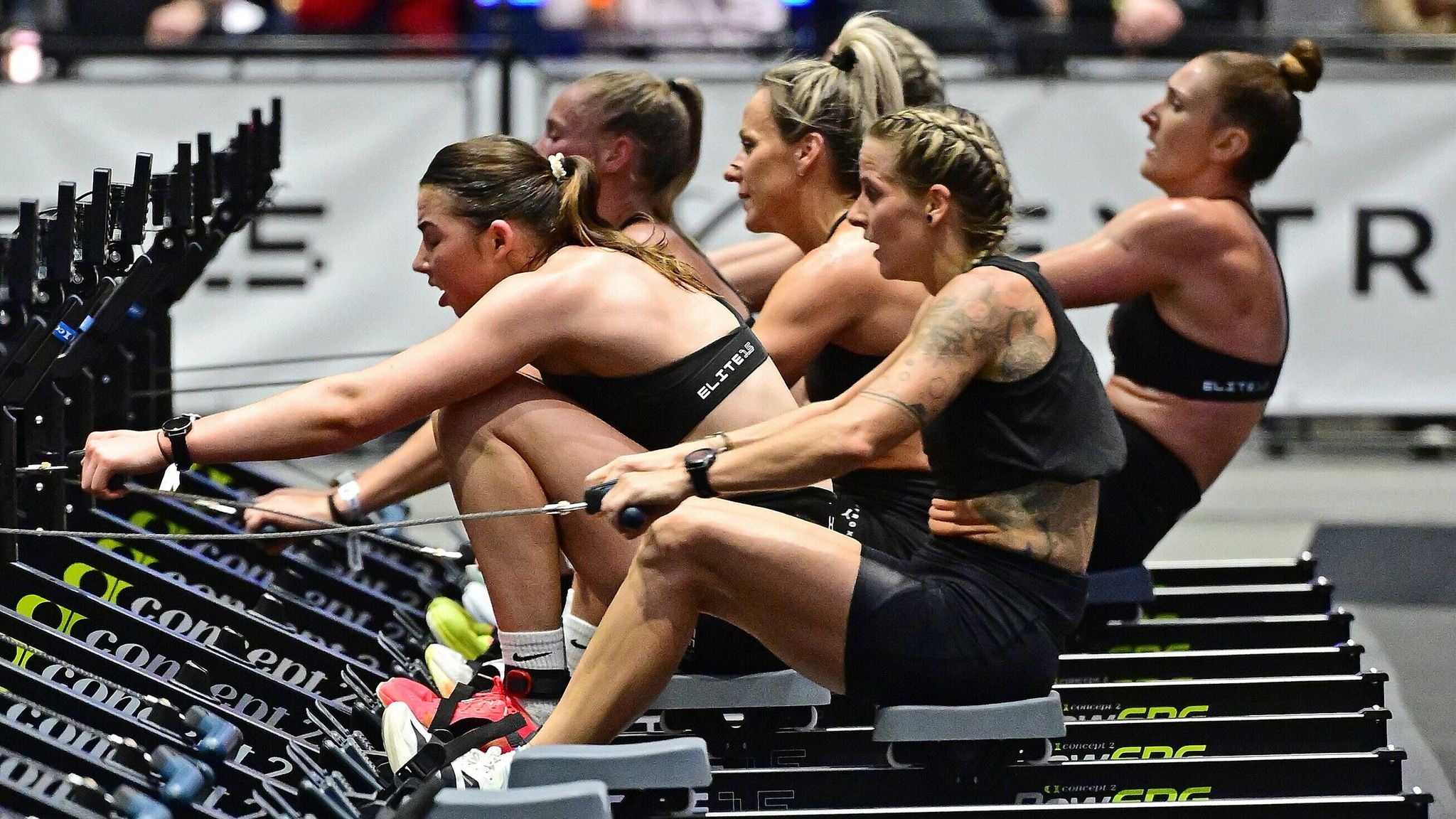
Functional strength helps athletes perform demanding movements with better control and efficiency. A balanced strength program develops the muscles needed for pushing, pulling, lifting, carrying, and maintaining stability.
Useful exercises include:
- Squats for lower-body strength and mobility.
- Lunges for balance, coordination, and unilateral power.
- Push-ups for upper-body strength and core stability.
- Farmer carries for grip strength and muscular endurance.
- Wall balls for full-body coordination and repeated effort.
- Sled pushes and pulls for powerful movement patterns.
3. Practice Transitions Between Exercises
Moving efficiently from one activity to another is an important conditioning skill. Athletes benefit from practicing combinations that challenge different muscle groups without allowing excessive recovery time.
For example, combine a moderate running interval with bodyweight exercises, loaded carries, or functional resistance movements. Sessions inspired by Hyrox Training Amsterdam can help illustrate how structured workouts bring endurance and strength together in a coordinated training approach.
Focus on these preparation strategies:
- Keep transitions smooth and controlled.
- Maintain proper technique when fatigue increases.
- Practice switching between running and strength exercises.
- Monitor breathing to establish a sustainable rhythm.
- Increase workout complexity gradually.
4. Develop Better Pacing Strategies
Starting too quickly can make later exercises feel significantly harder. Learning to manage effort helps athletes preserve energy and maintain consistent performance throughout a demanding session.
- Begin workouts at a manageable intensity.
- Increase effort gradually when your body feels prepared.
- Use breathing patterns to monitor exertion.
- Avoid unnecessary pauses by organizing equipment beforehand.
- Record workout times to identify improvements over time.
5. Prioritize Mobility and Recovery
Recovery allows the body to adapt to training and prepares muscles for future sessions. Mobility work also supports comfortable movement during running, squatting, lunging, and carrying exercises.
Helpful habits include:
- Perform dynamic warm-ups before intense workouts.
- Stretch gently after training sessions.
- Maintain a regular sleep schedule.
- Eat balanced meals with sufficient protein and carbohydrates.
- Drink water consistently throughout the day.
- Schedule easier training days between demanding sessions.
6. Strengthen Mental Consistency
Physical conditioning improves when athletes approach training with patience and purpose. Setting realistic goals encourages steady progress while making workouts more rewarding.
- Establish weekly targets for endurance and strength.
- Celebrate improvements in technique and consistency.
- Use focused breathing during difficult intervals.
- Break challenging sessions into smaller milestones.
- Review progress regularly and adjust training intensity.
Conclusion
Better overall conditioning develops through consistent practice, intelligent pacing, functional strength, and sufficient recovery. By combining these elements into a structured routine, athletes can improve endurance, movement efficiency, and confidence while preparing for demanding fitness challenges.